
elements-set-of-natural-and-floral-elements-G9XCU6B.png

Revision (Secondary) Plastic Surgeries in Turkey

The results of aesthetic surgery don’t always look the way we’d hoped. If you’re not happy with how your plastic surgery turned out, board-certified plastic surgeons can do a revision plastic surgery or secondary procedure to correct it. Plastic surgeons usually only do plastic revisions on a specific aesthetic operation because secondary procedures are generally harder than the first ones. They usually do surgery on the face, like rhinoplasty, fillers, facelifts, neck lifts, brow lifts, and so on. They also do surgery on the breasts and tummy. 

When it comes to how much revision plastic surgery costs, it depends on the type of surgery, how tricky it is and how experienced the surgeon is. If patients aren’t happy with the results or couldn’t  resolve the complication that’s come from previous surgeries, they might need to think about having a 3rd or even a 4th revision. 

Pre-surgical markings on a patient with significant skin laxity for a complex tummy tuck revision procedure in Turkey.

What is a revision in plastic surgery?

Let’s say you underwent plastic surgery to increase the size of your breasts. After completing your healing process, you didn’t like the outcome, or any negative circumstances happened during surgery due to the reasons out of you. And you’re keen to change the results. In such cases, you need to undergo an augmentation mammoplasty revision. 

You can use this logic for other plastic cosmetic surgeries. So, things like tummy tuck revisions, liposuction revisions, facelifts, secondary hair transplants… There’s one key point you need to be aware of. Not all plastic surgeons can do secondary procedures. You’d be best off leaving it to the pros. 

How to choose your revision surgeon?

You’ll need a surgeon who knows what they’re doing when it comes to breast revision procedures, can show you real case numbers in breast revision surgery, and can prove that they can do the work by showing you before-and-after results from real patients. They should also have a strong track record of managing complications. It’s obvious that a second surgery is usually trickier.

The things that cause this include;

  • scar tissue (fibrosis), problems with the normal structure of the area, which makes it harder for the surgeon to navigate during the second procedure (like separated tissue layers and making an implant pocket),
  • changes in blood flow,
  • increased tissue sensitivity,
  • capsular problems such as hardening, shape distortion, and pain.

What qualifies you for revision surgery?

By observing signals in your body following your cosmetic procedure, you can better understand whether you may need revision op. Do you still have pain / tenderness in the area where you had surgery, even after it’s been healing? Has any asymmetry or deformity developed? For example, unexpected indentations, protrusions, or imbalances in the face, breasts, nose, or body contours.

Do you experience movement restriction, which can sometimes be seen especially after face and neck lift surgeries?  Do you still get itchy or sore where you had the treatment?

If revision may be necessary, the initial surgical results can be evaluated through a physical examination and scans like X-rays, ultrasound and MRI scans.

Preoperative surgical measurements being marked on a female patient's body for precise cosmetic surgery planning in Turkey.

Plastic Revision Surgeries at Vantage Clinic

Reversal of a previous plastic surgery can be called revision surgery. It is the conversion of a previous surgery from one type of procedure to another. It is usually a second surgery performed after an unsuccessful first surgery. We can call it “modifying a previous surgery“.

Revision Rhinoplasty

Sometimes, the results of open and closed rhinoplasties just aren’t what the patient was hoping for.  A second rhinoplasty surgery can generally be performed at least four months after the first nose job.

Most often, unmet aesthetic expectations such as irregularities on the nasal bridge or drooping of the nasal tip lead patients to consider a second nose surgery. But sometimes, there are other reasons too, like breathing problems and irregularities with the cartilage or bones.
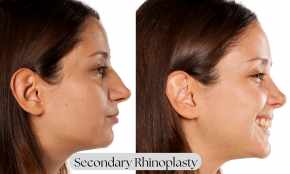
nose plastic revision surgery

Breast Surgery Correction

Revision breast surgery can be performed in all types of cosmetic breast surgery, including breast augmentation, breast reduction, breast implants, and nipple surgery. Breast implant revisions are for problems like implant rupture, capsular contracture, or if you’re not happy with the size or shape. Surgeons can replace implants, adjust their position, or perform a breast lift to get you the best results.
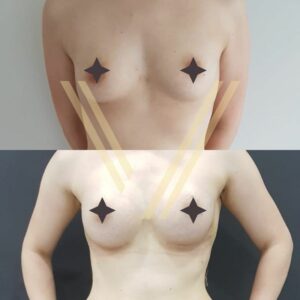
breast-job-before-after-photo-vantage-aesthetics

Post-Surgical Liposuction

Liposuction revision is all about making small tweaks to uneven fat distribution, fixing contour irregularities, or getting rid of any residual fat pockets that might pop up after the first liposuction. The second liposuction surgery is usually performed with fat injection to correct irregularities remaining from the previous liposuction.

belly liposuction before and after result at vantage aesthetics clinic turkey

Revision Facelift

If skin sagging cannot be fully tightened during the first facelift procedure, a second facelift can be performed to achieve better tightness. Conversely, in cases of excessive tightening, plastic surgeons can perform a facelift revision to achieve a more natural appearance.

Tummy Tuck Revision

If you’ve had a tummy tuck and you’re not happy with how it looks, the doctor can do a tummy tuck revision. They can fix contour irregularities, skin laxity, asymmetric scars, or complications like seroma or umbilical distortion.
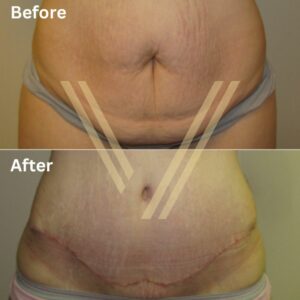
tummy tuck before and after female patient photo

Second Hair Transplants

If your first hair transplant surgery didn’t provide sufficient hair density, or if post-op problems such as necrosis (scarring) created bald areas, a 2nd hair restoration surgery may be necessary. The ideal recommended time interval between two transplants is at least a year. This period will allow for an evaluation of the final results.

Facial Scar Revisions

Facial scar revision is all about making those pesky scars from trauma or past operations look better. It involves smoothing out the texture, blending the scar with the surrounding skin, and just making your face look more balanced.
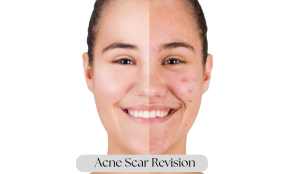
acne scar revision before after

Second Blepharoplasty

A second blepharoplasty can sort out problems like excess skin on the lids, unevenness, hollowing, or other issues that might come up after the first eyelid surgery, as long as the tissue is handled with care.

Revision Chin Surgery

Revision chin procedures are used to fix bad results from previous chin surgeries. They can be used to refine the chin’s shape, improve jawline harmony, or solve functional issues such as lip incompetence. These might include changing the bone structure, re-shaping the chin using osteotomy techniques, or removing previous implants. The goal is to get a better balance in the face and restore the harmony between how it looks and works.

Jawline Revision

If you didn’t get the jawline definition you wanted after jawline surgery, you often have the option of a 2nd jawline procedure. Your implant may shift or move, and an implant that is the wrong size and doesn’t look natural can be frustrating. These are normal and minor revisions are often needed after a jawline surgery. In more serious cases, such as excessive or insufficient tissue removal, comprehensive jawline operation may be necessary. We are a leading provider of oral and dental procedures in Turkey. Vantage Clinic’s expert dentists can perform your revision jawline surgery.

Secondary Otoplasty

Have you had ear pinning surgery but are dissatisfied with the results? Whether for aesthetic or physical reasons, you may be eligible for a second otoplasty surgery to address your concerns. Contact us to find out if you are a candidate for surgery, the cost of a second procedure, and more.

Brow Lift After Prior Surgery

A brow lift, done after another procedure, can help fix brow position, fix unevenness, and fix forehead sagging that’s happened because of getting older or because the first procedure didn’t work well.

Neck Lift Correction Procedures

Neck lift procedures target issues such as skin laxity, lines, contour irregularities, or scarring that remain after a previous neck rejuvenation surgery. Neck lift surgeries can be successful in one session, but factors such as poor clinic selection, an inexperienced doctor, or the patient not following the necessary post-operative care may necessitate a second surgery. If you are looking for a non-surgical solution, you can also consider the neckline Botox option.

Revision Body Contouring

Revision body contouring corrects uneven fat distribution, deformities, skin laxity, or scarring that may occur after initial liposuction, liposculpture, or body contouring procedures.

Arm Lift (Brachioplasty) Corrections

Arm lift revisions correct problems such as asymmetry, sagging skin, enlarged scars, or contour irregularities that arise after a brachioplasty. It may not be easy to tighten sagging arm tissue with a single surgery, especially with age, and 2nd or 3rd revisions may be necessary.

Thigh Lift After Initial Surgery

The second session of thigh lift surgery aims to correct any remaining skin laxity, uneven scarring, or irregular contours after the initial thigh lift. 

Get Your Secondary Procedure at Vantage

Get Your Secondary Procedure at Vantage

Frequently asked questions

According to published data, rhinoplasty, blepharoplasty (eyelids), breast augmentation, and facelift are the surgeries with the highest possibility of revision. Due to the complex anatomy of the nose, there is an estimated need for revision between 10% and 20%. Blepharoplasty (eyelids) ranks second and breast augmentation ranks third. 

Some common revision surgeries that do not fall under the scope of plastic surgery include:

  • Bariatric revision
  • Knee revision
  • Hip revision surgery
  • Gastric sleeve revision 
  • Revised gastric bypass surgery
  • Revision weight loss 
  • ACL revision procedure
  • Lap band revision

The amount of weight you can lose depends on which bariatric revision you have. You can expect to lose at least 20% of your body weight, and in some cases, up to 50%. The procedures that lead to the least weight loss are the gastric balloon and gastric band, while the ones that lead to the greatest weight loss are the duodenal switch, gastric bypass, and sleeve gastrectomy.

It varies depending on the technique, but generally, they are more difficult than initial surgeries yet remain safe procedures. In rare cases, certain nose and breast surgeries may carry higher risks.

Risks can include:

  • There’s more noticeable scar tissue (fibrosis).
  • There’s a bit of a challenge with the dissection because of how the anatomy has changed.
  • Things like unevenness or uneven contours.
  • There’s less blood flowing to the area.
  • Things like infection, bleeding or delayed healing
  • Need for an additional revision

From what patients and surgeons have said, the most difficult recoveries tend to be:

  • Tummy tuck (abdominoplasty), because of weak muscles and restricted mobility.
  • Rhinoplasty can take a while to heal and you might find it uncomfortable to breathe at first.
  • A facelift can lead to extensive bruising and a long recovery time for the tissue.
  • Other big operations to change the shape of the body, for example: after losing a lot of weight.

Citations:

  1. Rohrich RJ, Ahmad J.
    Revision Rhinoplasty: Indications, Techniques, and Outcomes.
    Plastic and Reconstructive Surgery Journal.

  2. Handel N, Cordray T.
    Secondary Breast Surgery: Causes of Failure and Principles of Revision.
    Aesthetic Surgery Journal.

  3. Matarasso A, Shiffman MA.
    Liposuction: Complications and Secondary Contouring Procedures.
    Journal of Plastic, Reconstructive & Aesthetic Surgery.

  4. Baker DC.
    Secondary Rhytidectomy (Facelift Surgery): Challenges and Solutions.
    Aesthetic Surgery Journal.

  5. U.S. National Library of Medicine – PubMed
    Revision and Secondary Aesthetic Surgery: Clinical Indications and Outcomes.

  6. American Society of Plastic Surgeons (ASPS) – Education Publications
    Secondary Procedures in Aesthetic Plastic Surgery.
    Educational resources and peer-reviewed publications.

  7. Elsevier / ScienceDirect
    Scar Tissue, Fibrosis, and Their Impact on Secondary Surgical Procedures.
    Clinical review articles in surgical journals.

Get Free Medical Consultation

100% confidential consultation with our medical experts