elements-set-of-natural-and-floral-elements-G9XCU6B.png

Fat Transfer Breast Augmentation (Lipofilling) in Turkey

The medical name for lipofilling is autologous fat grafting, which is the process of extracting fat from areas such as the abdomen, hips, and thighs, purifying it, and injecting it into the breasts at multiple points with thin needles. In Turkey, this procedure is performed by aesthetic surgeons in first-class hospitals, especially in Istanbul. The main advantages of breast injections are that it combines liposuction and breast enlargement with fat transfer cost in a single session, provides a natural look and feel, and is implant-free. As of March 2026, the price range for fat grafting to the breast in Turkey is between $3000 and $5000. You will find information on how the AFBT – Autologous Fat Breast Transfer procedure is applied, who specializes in this procedure, and how many cup sizes it provides, in the continuation of our article.

Published by: Vantage Editors

Updated: Sep, 2026

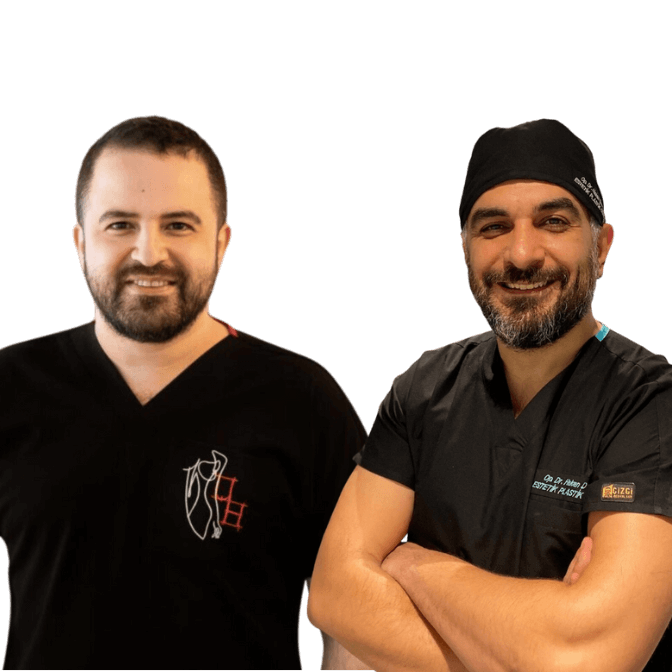
Reviewed & performed by: Op. Dr. Uğur Horoz 

fat transfer to breast in turkey

What is Breast Lipofilling?

This natural approach, also known as fat transfer to breast or fat transfer to breasts, is carried out using the principle of body fat transfer to breasts. This operation is an ideal solution for women seeking breast fat transfer or breast augmentation fat transfer, and is sometimes applied for breast enhancement fat transfer.

How is Fat Transfer Breast Augmentation Performed?

Injection for breasts consists of only 3 stages:

The surgeon first injects a tumescent solution into the targeted area; this solution widens the fat cells, making removal easier, and reduces bleeding and bruising. Then, excess fat is harvested from areas such as the abdomen, flanks, or thighs using special suction techniques.

The harvested fat is transferred to a closed, sterile container, and the liquid inside is drained. The remaining pure fat is made ready for injection.

The surgeon does not inject the fat into a single large pocket, but disperses it into multiple tissue layers. This multi-layer technique increases the fat’s access to blood flow and raises its probability of survival.

Duration & Anesthesia: The surgery is performed under general anesthesia and lasts 3–5 hours.

What Happens After Fat Grafting to the Breast?

After the surgery, the body decides which fat cells will remain. Fat cells that connect to blood vessels become permanent; those that cannot receive sufficient blood flow are absorbed by the body. This process takes place within the first few months, and the final results become clear within 3–6 months. The fat transfer breast augmentation before and after the process’s final appearance is usually finalized in 3-6 months.

breast fat injection

Breast Fat Transfer After 5 Years

In the 5-year post-operative scenario, results generally remain stable and natural; 50–70% of the transferred fat continues to stay in place for a long time and gives a natural feel by harmonizing with the surrounding tissues. If the surgeon is well-chosen and weight is kept stable, natural and satisfying results are largely preserved even after 5 years.What Changes Over the Years?

  • 0–6. Months: Fat cells settle, some are absorbed by the body. Approximately 30% of the transferred fat is reabsorbed by the body in the first 6–12 months.
  • 1–3. Years: Results stabilize. Once the fat cells have taken, the appearance after 1 year is almost the same as a few months after the surgery.3–5. Years
  • Full Maturity: At this stage, the results reach full maturity. The augmented breast tissue responds to the body’s natural processes such as hormonal fluctuations, weight changes, and aging. Many patients report that the breast feels completely natural and moves in harmony with the body.

Main Advantages of Breast Augmentation via Fat Transfer (Lipofilling)

natural proportions cosmetic surgery green icon

Implant-Free

It is an implant-free method, eliminating the need for replacement surgeries later in life (unlike implants which must be replaced every 10–15 years).

symmetry pink icon

Combines Two Procedures

It combines liposuction (fat removal from areas like the abdomen or hips) and breast enlargement in a single surgical session.

confident woman blue icon

Natural Results

It provides a natural look and feel to the breasts. Since it involves injecting your own fat into the breasts, it is the procedure that most closely resembles natural breasts.

Things to Consider During Recovery

In some patients, hardness or deformity in the breast may occur due to fat necrosis (death of fat tissue); these mostly resolve on their own. Also, cysts or calcifications may be seen on mammograms, which may require additional evaluation.

Effect of Weight Change

If you gain weight, the transferred fat cells may also grow, but this growth may be irregular and disrupt symmetry. Significant weight loss, on the other hand, can reduce breast volume.A Great Advantage Compared to Implants

Unlike implants, a replacement surgery is not necessary in later years with this method. While implants must be replaced every 10–15 years, fat transfer offers a low-maintenance, long-lasting solution.

What is the Statistical Fat Graft Survival Rate?

The fat graft survival rate is reported to be approximately 50–70%. Surgeons take this into account and inject a little more fat initially.

before after photo icon pink

Who is a Good Candidate for Fat Transfer Breast Augmentation (Lipofilling) in Turkey?

Typical characteristics of individuals suitable for a breast lift with fat transfer at a Turkish clinic are:

  • Women who do not want implants
  • Those who want mild augmentation + shaping
  • Those who have lost breast volume after childbirth

Individuals who are typically not suitable for breast fat transfer have the following characteristics:

  • Individuals with very low body fat percentage
  • Those with obesity
  • Those experiencing extreme weight fluctuations
  • Smokersü

There may be other cosmetic breast procedures that are more suitable for candidates who are not eligible for fat transfer breast augmentation. Explore your options or contact us directly.

A Note on Smoking

It should be noted that smokers can also undergo fat injection for the breast. However, there may be a condition that they must remain smoke-free during the critical periods when smoking is prohibited in the early recovery phase and before the surgery. You can contact our doctors immediately for details.

Breast Fat Transfer Cost – Turkey 2026 Prices

In Turkey, breast fat injection prices can vary up to $2000 depending on the clinic, doctor, and location. Considering the current fat transfer breast augmentation cost ($3000-$5000), this price also reflects the breast fat transfer cost and fat transfer breast augmentation price range, and is a competitive option for breast enlargement with fat transfer cost.

Currency

Price Range

Euro (€)

€1,800 – €4,000

Pound (£)

£2,800 – £3,400

Dollar ($)

$3,000 – $5,000

Turkish clinics generally offer an all-inclusive package as a general strategy. All-inclusive packages typically cover: surgery fee, hospital stay, anesthesia, post-operative garments, medications, VIP transfers, and approximately 6 nights of hotel accommodation.

Patients treated in Turkey can save 50–70% compared to US, UK, or European prices.

  • 🇺🇸 USA: $9,000 – $17,000+
  • 🇬🇧 UK: £7,000 – £12,000
  • 🇹🇷 Turkey: €1,800 – €4,000

An average of 30–40% of the injected fat is reabsorbed by the body within 12 months. Therefore, a second session may be required, and this additional session may cost between £1,800–£2,400. This method generally provides an enlargement of about half to one cup size per surgery; individual results may vary.

Critical Details in the Recovery Process

The post-operative period is the key to final success. There are some basic rules you must follow to support the fat cell survival (grafting) process. The comparison of the patient’s appearance before and after the procedure, referred to as fat transfer to breast before and after, breast fat transfer before after, breast augmentation with fat transfer before and after, and breast fat transfer before and after results, is finalized once the grafting process is complete.

1. Protective Bra Use

It is mandatory to wear the special sports bra or corset recommended by your surgeon continuously, generally for 4 to 6 weeks, to maintain the shape of the fat injection area and reduce swelling.

2. Activity Restriction

You must avoid sitting on or applying pressure in the lying position to the fat harvested area so that the transferred fat is not under pressure and the new vascularization process is not disrupted. For those combining the procedure, understanding the recovery of a breast lift and fat transfer is crucial.

3. Exercise

Light walking can be started within a few days; however, heavy lifting, running, and intense exercises should be strictly avoided for 4-6 weeks.

4. Return to Work

Most desk-based patients can return to work 3 to 7 days after the surgery.How Much Enlargement Does It Provide? 

How much can the size of the breast change with injections?

This method offers natural shaping and augmentation rather than a dramatic increase in volume, like in implant placement. As stated in your article, about half to one cup size of enlargement is provided per surgery. Volumetrically, this enlargement corresponds to the transfer of purified fat typically ranging between 100 cc and 250 cc. Surgeons usually inject 30-40% more than this amount, considering the fat survival rate (50–70%). A second session may rarely be necessary to achieve the desired final size.

Important for Expectant Mothers: Ability to Breastfeed

Fat transfer is performed into the tissue layers beneath the skin and muscle, not directly into the breast tissue. Therefore, it does not affect the milk ducts and glands of the breast. Fat transfer breast augmentation does not have a negative effect on your ability to become pregnant or breastfeed in the future. Many patients who have become mothers after the procedure report having a problem-free breastfeeding period.

Breast Screening (Mammography) and Calcification Risk

Fat necrosis (death of fat cells) that may occur in some patients in the post-operative period can lead to calcifications over time. These calcifications may appear as small white spots on mammography images.

Risk Management

Experienced aesthetic surgeons can easily distinguish between calcifications associated with cancer (malignant calcification) and these benign fat necrosis calcifications.

Frequently asked questions

Permanent fat cells are long-lasting, but their volume can fluctuate with weight gain and loss. Non-permanent fat, which accounts for approximately 30–40%, is absorbed by the body within the first 6–12 months.

For most patients, a single session is sufficient. However, if an increase of more than one cup size is desired, a second session may be necessary at least six months later to avoid exceeding the fat survival rate.

The procedure requires general anesthesia and is painless. Postoperative pain is typically concentrated in the area where fat was removed during liposuction and can be easily managed with prescription pain relievers. The pain is usually described as a mild ache.

Tiny cannulas are used for both fat removal and fat injection. The incisions are usually around 3–5 mm in length and are made in hidden areas such as under the breast. The scars are barely noticeable.

If any calcification is suspected, its nature is typically confirmed through additional evaluation methods such as ultrasound or MRI. This proactive approach ensures accurate monitoring and prevents unnecessary concerns for the patient.

Ask your surgeon if they are a certified member of the Turkish Society of Plastic, Reconstructive, and Aesthetic Surgery (TPRECD). You should also choose surgeons with a proven track record of success, particularly in the field of AFBT (Autologous Fat Breast Transfer).

A reputable hospital, no matter where it is located in the world, should hold international accreditations such as JCI (Joint Commission International). This certification serves as a guarantee that the facility meets global standards for the quality of healthcare services and patient safety.

Scientific References

  1. Groen JW, Negenborn VL, Twisk JW, Ket JC, Mullender MG, Smit JM. Autologous Fat Grafting in Cosmetic Breast Augmentation: A Systematic Review on Radiological Safety, Complications, Volume Retention, and Patient/Surgeon Satisfaction. Aesthet Surg J. 2016;36(9):993-1007. doi:10.1093/asj/sjw105

  2. Khouri RK, Eisenmann-Klein M, Cardoso E, et al. Brava and autologous fat transfer is a safe and effective breast augmentation alternative: results of a 6-year, 81-patient, prospective multicenter study. Plast Reconstr Surg. 2012;129(5):1173-1187. doi:10.1097/PRS.0b013e31824a2db6
  3. Kwiatkowska K, Krapohl BD, Tanzella U, Ueberreiter K. Long-term clinical results and quality of life in patients undergoing autologous fat transplantation for breast augmentation using the BEAULI™ protocol. GMS Interdiscip Plast Reconstr Surg DGPW. 2019;8:Doc10. Published 2019 May 22. doi:10.3205/iprs000136

Recommended Reading

Vantage aesthetics two surgeons, our surgeons

Get Free Medical Consultation

100% confidential consultation with our medical experts